

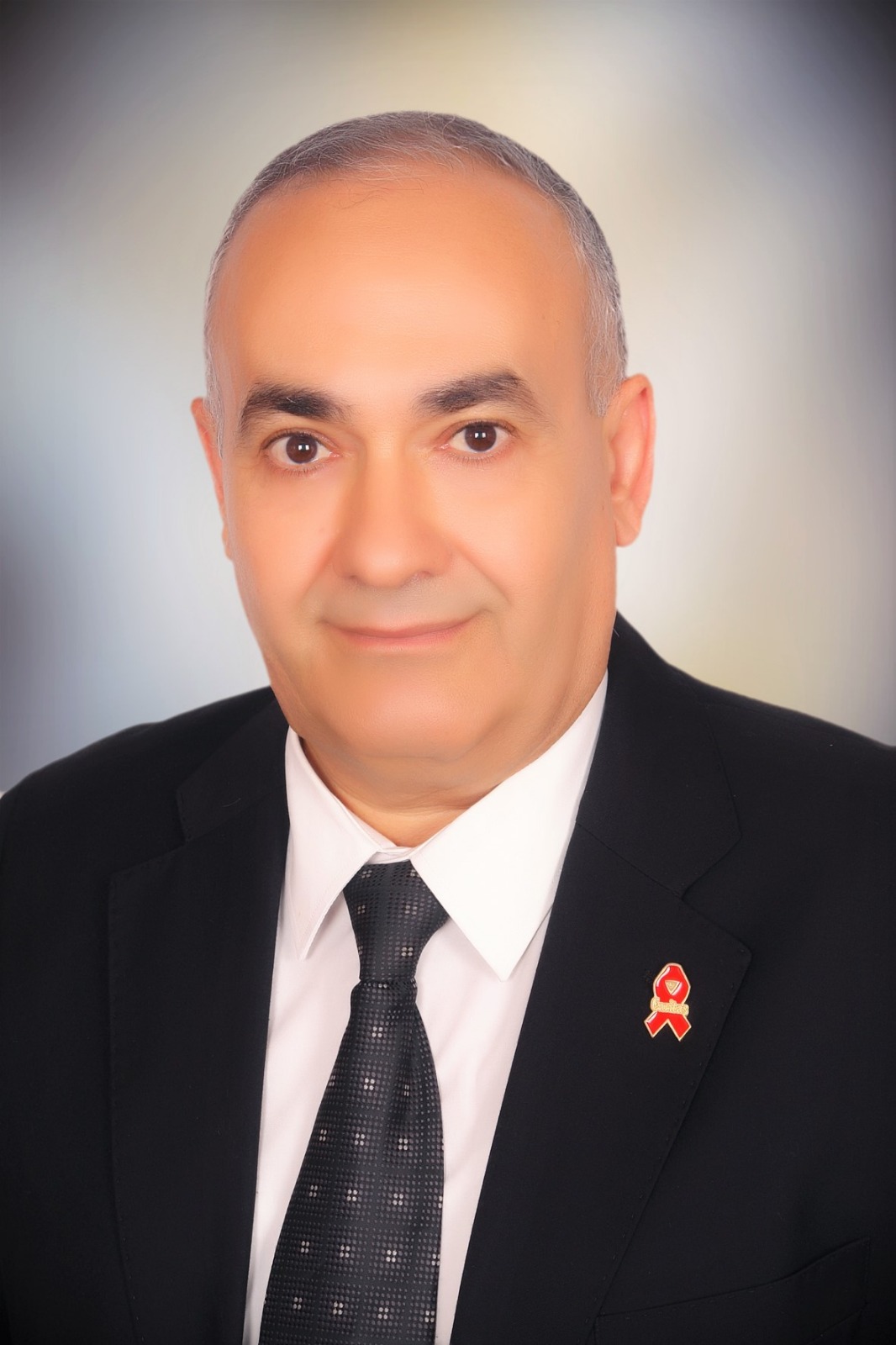
Asem Moussa
Alazhar School of Medicine, Egypt
Abstract Title: Role of local skin incision infiltration by oxycontin on wound healing of caesarean section scar in primiparous women
Biography:
Professor Asem Anwar Moussa has completed his combined supervised MD thesis at the age of 33 years from both Alazhar School of Medicine and Glasgow universities. He is Professor of Obstetrics and Gynecology at Alazhar School of Medicine since 2002 and former Director of the Maternity University Hospital (Syed Galal), Cairo, Egypt. He is an accredited trainer in Aesthetic and Cosmetic Gynaecology, Secretary General of the Egyptian Society for Population Reproductive Health Studies, Secretary General of the Healthy Child Healthy Mother initiative, and Editor of the Synopsis of Aesthetic and Cosmetic Gynecology.
Research Interest:
Background: Cesarean section is one of the most frequently performed surgical procedures, with wound complications such as infection, edema, and delayed healing contributing to maternal morbidity. Oxytocin, beyond its uterotonic effects, has anti-inflammatory, antioxidant, and analgesic properties that may enhance wound healing. Objective: To evaluate the effect of local skin incision infiltration with oxytocin on wound healing and postoperative pain in primiparous women undergoing elective cesarean section.
Methods: A double-blind randomized controlled trial was conducted on 100 primiparous women (20–35 years) scheduled for elective cesarean delivery. Participants were randomized into two groups: Group A (n=50) received 20 IU oxytocin infiltration along wound edges before closure, while Group B (n=50) received 10 IU using the same technique. Wound healing was assessed using the REEDA scale at 24 hours, 48 hours, and 7 days postoperatively. Pain intensity was evaluated using the Visual Analog Scale (VAS). Secondary outcomes included maternal vital signs, wound complications, and additional analgesic needs.
Results: Baseline demographic and clinical characteristics were comparable between groups. Group A showed significantly better wound healing, with reduced redness and edema at 24 hours (p=0.04), improved redness, edema, and ecchymosis at 48 hours (p<0.05), and superior resolution of redness and edema at 7 days (p=0.03 and p=0.005, respectively). VAS scores were significantly lower in Group A at 24 hours (p=0.003), 48 hours (p=0.009), and 7 days (p=0.045). No significant differences were noted in vital signs or major wound complications.
Conclusion: Local oxytocin infiltration at cesarean incision sites significantly improves early wound healing and reduces postoperative pain. Oxytocin may represent a safe, effective adjunct for enhancing recovery after cesarean delivery.